


Where Can I Apply Self Disinfection Coating At Home?
May 20, 2022
Can Disinfection Service Kill Bugs?
July 14, 2022Can You Use Disinfecting Spray on Granite Countertops?

Can You Use Disinfecting Spray on Granite Countertops? When you have a granite countertop, you might be concerned about its cleanliness. Granite is undoubtedly a beautiful material, but it’s also porous which means that you need to be careful when cleaning it. The solution is to regularly clean your countertops with spray-on disinfectant and then use a degreasing agent.
However, can you use disinfecting spray on granite? If you want to avoid unnecessary damage, make sure that the product doesn’t contain ammonia or acids.
Cleaning granite countertops without damaging the surface should be a top priority. Granite is known to be a hard, dense, and durable material that resists stains and cleaning agents.
It is therefore paramount to be careful when using chemicals for cleaning. For example, using a disinfecting spray can lead to spoiling of the surface when cleaning is not done properly. Thus, you should know the proper method of cleaning granite countertops.
What Is Disinfecting Spray?

A disinfecting spray is a product used in cleaning, which contains anti-bacterial agents to kill microbes and also contains cleansers. The spray can be used on almost all surfaces made of materials such as marble, granite, and glass.
However, it is important to note that the spray should not be used on natural stones including limestone and sandstone as they are also porous. The disinfecting spray should be avoided in cases where a surface is prone to staining or damage because of its texture.
Can You Use Disinfecting Spray on Granite Countertops?

The answer is yes. When cleaning granite countertops, you should avoid ammonia and acids as well as abrasive products because they can take away the natural shine of the granite. In addition, you should choose a non-acidic formula for disinfecting spray for better results. It is important to note that each product is different, so it’s important to check its label first before purchasing it.
You can use the disinfecting spray when your granite countertops are not heavily stained or dirty. It is therefore important to know how to use the product properly. In addition, you should use a soft, clean cloth to wipe off the product once you have sprayed it on your countertop. You should also wipe any remaining residue that might be left after cleaning.
If you have a granite countertop with calluses, you should also consider using a food-safe degreasing agent to eliminate that.
How to Clean And Sanitize My Granite Countertops?

The first step to cleaning your countertops is to remove all traces of greasy or debris stains on the surface. You should focus on the corners that are covered by a material called grout. You can use an eraser to wipe off any stains that you cannot remove with a cloth.
When you have removed all of the grease stains from your countertops, it is time to disinfect and clean them properly. The best way to disinfect your granite countertop is by using a combination of mild detergents and degreasers. You should spray the product on a soft, clean cloth and wipe off the product on the surface. In addition, you should use either a brush or spray cleaner to remove any remaining stains.
If your granite is heavily stained, you should also consider using ammonia-free products as they are recommended by Granite World. The company suggests that you can treat these stains by placing them in an outdoor area for a few hours in the sunlight. This will help to remove the stains. After that, you can use a soft cloth and mild detergent to clean your granite countertops.
When disinfecting your countertops, you need to make sure that you clean them regularly. You might not think they are dirty, but they could be harboring germs and microbes due to the nature of granite being porous. That’s why it is important to regularly clean your granite so that you can keep it looking beautiful and healthy.
How To Make Natural Cleaning Solution for Sanitizations

Method One
Ingredients:
- 3-5 Cups of water
- 1/2 Cup of vinegar (or apple vinegar if you have it)
- 6 Tablespoons of baking soda
- 6 Tablespoons of cream of tartar (optional)
Instructions:
Mix the baking soda, cream of tartar, and vinegar. Add 1-3 cups of boiling water and mix thoroughly. Apply the solution on a clean cloth and rub it over your granite countertops. Allow the solution to dry and wash with warm water.
Method Two
Ingredients
- 1 cup water
- 1/2 Cup Olive Oil
- 7 Squirts of TSP (or household dishwashing liquid)
Instructions:
Combine the ingredients in a bowl and stir them together with a spoon. Apply the solution on a clean cloth and scrub down your granite countertops, paying particular attention to the grout lines. When you are finished, wash off the solution with warm water and dry with a clean towel.
Method Three
Ingredients:
- 1/3 cup vinegar or lemon juice
- 1/3 cup baking soda
- 2 Tablespoon liquid castile soap (or mild dishwashing liquid)
Instructions:
Mix all of the ingredients in a bowl and stir until they are well blended. Apply the solution on a soft cloth and rub it over your granite countertops. If there are still stains, you can use a toothbrush to scrub them off. Once you are finished, apply warm water and wash off the entire surface.
Which Area Should I Not Use A Disinfecting Spray-On?
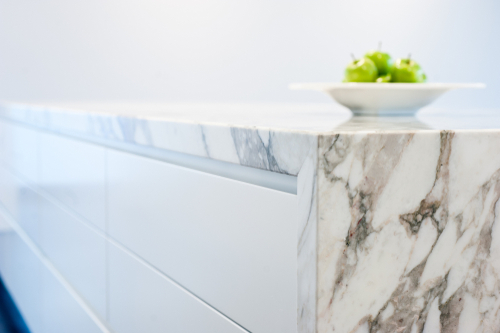
It is important to be aware of which part of your granite countertops to avoid using spray because these areas have a high risk of damage from chemicals since they are porous. This can cause damage and discoloration on these parts of your countertops. The areas that should not be disinfected include the following:
- Water spots – Water spots are found on the surface of the granite. These occur when water is left on the counter for a long period. If you use a disinfectant spray on those areas, it can lead to discoloration and damage the countertop.
- Patterns or veins – Granite veins are found in particular areas of granite. These can cause damage during cleaning because liquids can seep through them and penetrate beneath the surface. This can lead to discoloration and even the lifting of the stone.
- Edges – The edges on granite countertops are harder than the areas in the center, which are softer. You should take care not to use disinfecting spray on the edges because it can cause damage and lead to chipping and peeling.
Hiring A Professional Home Disinfection Service in Singapore

One of the best ways to keep your house clean is by hiring a professional home disinfection service in Singapore. You can do this by hiring the company Clean n Green, which specializes in these services.
Hiring a professional cleaner ensures you get the best results because they have experience and knowledge of how to use the right products and ingredients. They can also get rid of germs from your house more effectively than you could on your own.
These cleaners can even make your house look new again. It is therefore important to get a professional service as soon as you notice any stains on your granite countertops. In addition, you should also consider having the service clean up your carpets and air out your house after you have hired it. This will ensure that you get the best results possible when they are done with the services they offer.
Can You Use Disinfecting Spray on Granite Countertops? – Conclusion

Granite countertops in your house can be beautiful and practical. By cleaning them regularly and keeping them properly maintained, they can last for many years. The best way to maintain your granite countertops is by using a disinfecting spray that is safe for the counter and helps you get rid of germs in your home.
In addition, you should also make sure that you treat any stains as quickly as possible because these can attract germs.


