


Frequency of Disinfection: Best Practices for Various Settings
April 12, 2024
Disinfection vs Cleaning: Understanding the Difference
May 9, 2024Preventing Hospital-Acquired Infections with Regular Disinfection

Preventing Hospital-Acquired Infections with Regular Disinfection
Preventing Hospital-Acquired Infections with Regular Disinfection. In the realm of healthcare, the prevention of hospital-acquired infections (HAIs) stands as a paramount concern, directly influencing patient safety and healthcare outcomes.
This comprehensive article embarks on an exploration into the critical role of regular disinfection practices within healthcare settings, highlighting their indispensability in curtailing the transmission of infectious agents and safeguarding patient health.
The inception of hospital-acquired infections marks a significant challenge within the healthcare industry, posing serious risks to patient safety and contributing to increased morbidity and mortality rates.
HAIs encompass infections that patients acquire during their stay in hospitals or other healthcare facilities, which were not present or incubating at the time of admission.
The fight against HAIs necessitates a multifaceted approach, with regular disinfection serving as a cornerstone strategy to mitigate these infections’ incidence and impact.
Understanding Hospital-Acquired Infections (HAIs)
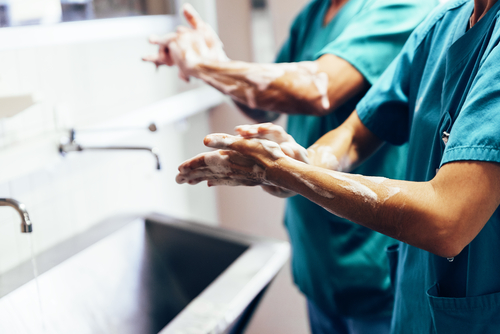
Hospital-acquired infections, also known as nosocomial infections, are infections that patients contract within a healthcare setting post-admission.
These infections can significantly prolong hospital stays, increase medical costs, and, in severe cases, lead to long-term disability or death.
Pathogens Involved
The pathogens responsible for HAIs are varied, including bacteria, viruses, and fungi, with each posing unique challenges in terms of prevention and treatment. Common culprits include:
- Methicillin-resistant Staphylococcus aureus (MRSA): A bacterium causing skin infections and more severe conditions like bloodstream infections, pneumonia, and surgical site infections.
- Clostridioides difficile (C. diff): A bacterium that leads to diarrhea and more serious intestinal conditions like colitis.
- Vancomycin-resistant Enterococci (VRE): Bacteria found in the human intestines and the female genital tract, which can cause infections in the urinary tract, bloodstream, and wounds.
Impact on Healthcare
The occurrence of HAIs significantly burdens healthcare systems, leading to heightened healthcare costs, extended hospital stays, and increased use of antibiotics, contributing to the rise of antibiotic-resistant bacteria.
Addressing HAIs effectively necessitates a comprehensive understanding of infection control and prevention strategies.
Importance of Regular Disinfection in Healthcare Settings
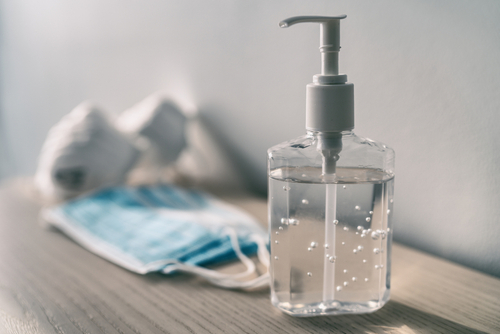
Regular disinfection practices play a pivotal role in interrupting the transmission pathways of infectious agents within healthcare environments.
By meticulously cleaning and disinfecting surfaces and medical equipment, healthcare facilities can significantly reduce the reservoirs of infectious agents.
The implementation of rigorous disinfection protocols enhances patient safety, creating a healthcare environment that minimizes the risk of HAIs.
This not only protects patients but also shields healthcare workers and visitors from potential infection risks.
Key Areas Requiring Regular Disinfection in Hospitals
Patient Rooms
Surfaces and Equipment
Frequent contact surfaces in patient rooms, such as bedside tables, bedrails, and medical equipment, serve as potential sites for pathogen transmission. Regular disinfection of these areas is critical to minimize infection risks.
Bedding and Textiles
Contaminated bedding and textiles can also harbor infectious agents. Regular laundering and disinfection of these items are essential components of comprehensive infection control practices.
Operating Rooms
Operating rooms require the highest level of sterility to prevent surgical site infections. This involves not only the disinfection of surfaces and instruments but also the maintenance of sterile air conditions through appropriate ventilation systems.
High-Touch Surfaces in Common Areas
High-touch surfaces in common areas, including door handles, elevator buttons, and reception desks, necessitate frequent disinfection. These areas are accessed by numerous individuals daily, increasing the risk of pathogen transmission.
Best Practices for Implementing Effective Disinfection Protocols
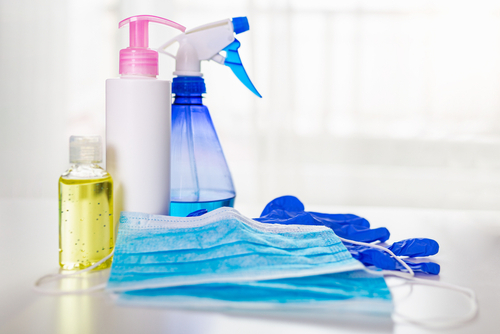
Selection of Disinfectants
Choosing effective disinfectants is crucial for the successful eradication of pathogens. Factors to consider include the spectrum of antimicrobial activity, safety profile, and ease of use.
The Environmental Protection Agency (EPA) provides a list of approved disinfectants for use against specific pathogens.
Training and Education of Healthcare Staff
Ongoing training and education of healthcare staff on the principles of infection control and the proper use of disinfectants are vital.
Competency-based training ensures that all personnel are equipped with the knowledge and skills necessary to implement disinfection protocols effectively.
Monitoring and Compliance
The establishment of monitoring systems to track compliance with disinfection protocols is essential for ensuring their effectiveness.
Regular audits, feedback mechanisms, and continuous improvement processes can help identify areas for enhancement and ensure adherence to best practices.
Why Choose Us for Disinfection Service?
When it comes to safeguarding healthcare environments against the threat of hospital-acquired infections (HAIs), the selection of a proficient disinfection service provider becomes paramount.
Our disinfection services stand out for several compelling reasons, offering unparalleled expertise and commitment to ensuring the highest standards of cleanliness and infection control.
Unmatched Expertise and Experience
Our team comprises seasoned professionals with extensive experience in healthcare disinfection.
Each team member undergoes rigorous training in the latest disinfection techniques and protocols, ensuring they are well-versed in handling the unique challenges presented by various pathogens.
Our expertise enables us to devise and implement effective disinfection strategies tailored to the specific needs of healthcare facilities.
Advanced Disinfection Technologies
We leverage state-of-the-art disinfection technologies and methodologies to deliver superior cleaning results.
From electrostatic sprayers that ensure even coverage of disinfectants on surfaces to UV-C light technology for air and surface disinfection, we employ a comprehensive arsenal of tools designed to eliminate pathogens efficiently and effectively.
Customized Disinfection Plans
Understanding that each healthcare facility has its own set of challenges and requirements, we offer customized disinfection plans tailored to meet the specific needs of your environment.
Whether it’s routine disinfection services or targeted interventions in response to outbreaks, our flexible and adaptive approach ensures optimal protection against HAIs.
Commitment to Safety and Compliance
Our disinfection practices adhere strictly to guidelines set forth by health and environmental authorities, including the Centers for Disease Control and Prevention (CDC) and the Environmental Protection Agency (EPA).
We prioritize the safety of patients, healthcare workers, and our staff by using EPA-approved disinfectants and following best practices in application techniques, ensuring a safe and compliant disinfection process.
Proactive Communication and Support
We believe in the importance of clear, proactive communication with our clients. From the initial assessment to the execution of disinfection services and follow-up, we keep healthcare administrators informed and engaged throughout the process.
Our support team is always available to address concerns, provide updates, and offer guidance on maintaining a hygienic environment post-disinfection.
Preventing Hospital-Acquired Infections with Regular Disinfection – Conclusion
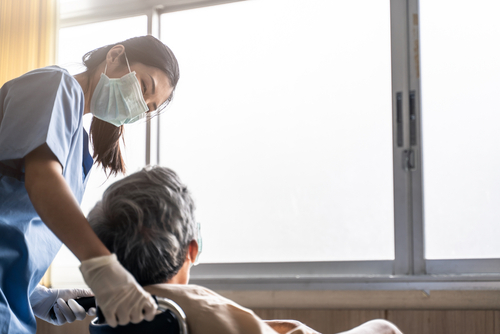
The regular disinfection of healthcare environments emerges as a critical strategy in the prevention of hospital-acquired infections, underscoring its importance in safeguarding patient health and improving healthcare outcomes.
As we advance, the commitment to maintaining high standards of hygiene and infection control will continue to play a pivotal role in the evolution of patient care practices, ensuring a safer healthcare environment for all.
In the ongoing battle against hospital-acquired infections, it is incumbent upon all healthcare facilities to prioritize and rigorously implement regular disinfection protocols.
By fostering a culture of safety and cleanliness, we can collectively enhance patient care and mitigate the risks associated with HAIs.
Let us unite in our efforts to create healthcare environments that are not only healing spaces but also bastions of safety and hygiene.
Are you looking for professional and reliable disinfection coating applications or disinfection services in Singapore? Contact us today!


