


Cleaning and Disinfecting Your Home After Potential Covid-19 Exposure
August 15, 2021
How To Sanitize Toys That Cannot Be Washed?
August 25, 2021Can Virus and Bacteria Stay on Your Clothes?

Can Virus and Bacteria Stay on Your Clothes? Keeping your home free from germs is the key to healthy living. It is even more important if you came out of an illness. But can viruses and bacteria stay on your clothes? The short answer is YES. You might also be asking yourself the duration germs can take on your clothes.
This guide will offer you every detail of information you need as far as home hygiene is concerned. After all, a hospitable home should be free from disease-causing agents. Your clothes collect different germs because you’ve got a high tendency to visit many places and brush over surfaces. And since you don’t disinfect your attires as go about your duties, the virus and bacteria will reside on your clothes.
How long do viruses and bacteria live on clothes?
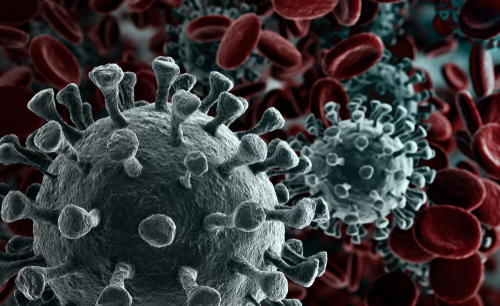
Here’s a disappointment – some bacteria such as bacterial spores can live indefinitely. The virus and bacteria can stay even for more than five days while they multiply. It is for this reason why you are advised to wear clean and well-disinfected clothes.
Additionally, you should always disinfect surfaces you use in both your home and office environment. Besides, you should always maintain hygiene to ensure you stay in a germ-free environment. Even if you haven’t reported any of your family members getting ill.
Factors that dictate the survival rate of germs on clothes

We often consider germs to be embedded on hard surfaces like bathroom floors and door handles. But we forget that they also reside mostly on our clothing. It is said that the virus that resides on our clothes is posing a danger to our health. Bacteria and viruses can survival period depends on many factors:
- The type of Material
If you’ve cotton clothes, then be informed that germs have a better survival rate than ever. This is so because cotton offers a wide surface area and holds onto the remaining water. On the flip side, germs won’t survive for long on polyester because they don’t take in a lot of water.
- Fabric Cleanliness
Strive to ensure you wear clean and shampooed attires. If you are lucky to have new clothes, then chances of keeping viruses and bacteria are minimized. Also, you should ensure all dirty clothes are washed on time and piles of dirty ones should be avoided on stored in a different room.
- The Humidity
Mold can not only live on clothes that you’ve stored in a humid environment but it can also grow exponentially.
Does cleaning clothes kill germs?

Before you get ill, you must wash dirty clothes regularly. Avoid repeating clothes because you’ll be breeding too many viruses and bacteria. If you wash clothes, in other words, you are trying to kill the disease-causing agents. So, here are some fundamentals steps you need to follow while washing your clothes:
- As much as possible, wash your clothes at a temperature of 60 degrees Celsius or even higher
- Use bleach-based powder for washing like Persil Bio because it controls germs beyond say.
How to stop germs resting on your clothes

While viruses and bacteria will always be almost anywhere, here are some simple tips you may need to stop them from staying on your clothes.
- Washing your hands regularly
If you wash your hands regularly, particularly if you interact with different types of people, you’ll be sure that any touch on your clothes is free from germs. Besides, you should always wash your hands after coming from the bathroom. Hand washing seems more than obvious but 99% of people don’t see its importance. Washing hands will keep your entire family safe from diseases.
- Use tissue for Cold & Cough while sneezing
While you admonish yourself to follow this rule, always extend a helping hand to your entire family to follow suit. Using a tissue will ensure the flu don’t settle on clothes, that would later spread to your other family member.
- Clean risky areas
Kitchen countertops and toilets are the most likely places your clothes will pick germs. For that reason, clean the countertops and toilet using powerful disinfectants and detergent cleaners.
- Pay close attention to humid spaces
Humid areas are the breeding zones for these viruses and bacteria. In that regard, you need to clean these areas using disinfectant and always keep them dry if possible. Besides, ensure mops, kitchen towels, cloths, and sponges have time to dry before their next use. Even better, you can also place clothes in the dryer at a temperature of above 60 degrees Celsius to help in removing germs.
Ensure the bathroom areas are kept dry and clean. To ensure mold doesn’t grow, ensure your bathroom areas are kept dry most of the time.
- Keep all pets away from your foods
Finally, ensure to always wash your hands after handling pets because you may transmit the virus or bacteria on the pet’s body to your clothing.
Can Virus and Bacteria Stay on Your Clothes? – Conclusion
And there you’ve it all! It is now clear that viruses and bacteria can stay on your clothes. However, the sad part of it is that you can easily bring disease to your household if you don’t maintain good hygiene. Cleanliness is the key. You should strive for a clean and hospitable home always.
Whether you’re at home or office, the clothes you wear should be clean and free from any dirt. In so doing, you’ll keep the disease-causing agent at bay.
Tons of viruses and bacteria can reside on your clothes, and so your cleanliness should not be comprised whatsoever! So, next time you find yourself wearing an attire for long, know that you’re gambling with the safety of your friends and family. So, we hope that you found this post helpful and you’re going to be an ambassador of cleanliness.
Give your health a priority by ensuring you keep off anything that may want to tamper with your good health.


