


Disinfecting Handbags, Wallets, and Personal Accessories
August 1, 2023
The Power of Self-Disinfecting Coatings: A Comprehensive Guide
August 29, 2023Disinfection In Pet Care Facilities: Ensuring Animal Health

Disinfection In Pet Care Facilities Ensuring Animal Health
Disinfection In Pet Care Facilities: Ensuring Animal Health. Pet care facilities play a crucial role in promoting animal health and well-being.
However, these establishments can also be hotspots for the spread of diseases among pets, if not managed correctly. One vital factor in preventing disease spread is the proper disinfection service of the facility.
In this article, we explore various aspects of disinfection, from understanding pet-related diseases to the latest disinfection techniques.
Understanding Pet-Related Diseases
Pet care facilities, due to their nature, are prone to harboring various diseases.
Common illnesses such as kennel cough, canine influenza, and feline panleukopenia can spread quickly in these environments.
Moreover, zoonotic diseases, those transmitted from animals to humans, pose a significant risk, emphasizing the need for effective disinfection measures.
These diseases affect animal health and can impact the facility’s operation significantly.
Understanding Pet-Related Diseases in Depth
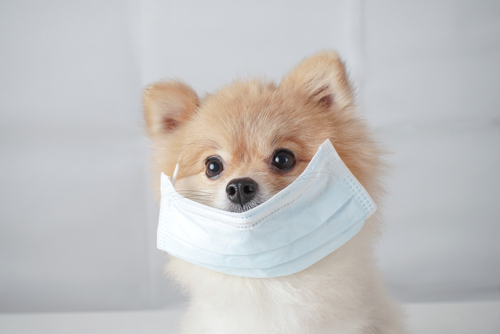
Kennel Cough
Kennel cough, or canine infectious tracheobronchitis, is a highly contagious respiratory disease.
Dogs commonly contract it in places with high canine populations, like kennels and shelters. Symptoms include a strong cough, runny nose, sneezing, lethargy, loss of appetite, and low fever.
Canine Influenza
Canine influenza or dog flu is a viral infection that can cause respiratory illness in dogs.
It’s highly infectious and can easily spread through direct contact, coughing, and sneezing, or contaminated objects.
Infected dogs may show symptoms like coughing, nasal discharge, fever, and reduced appetite.
Feline Panleukopenia
Also known as feline distemper, this is a highly contagious and life-threatening viral disease in cats.
It affects the blood cells in a cat’s body, leading to severe dehydration, malnutrition, anemia, and often death.
Cats in crowded conditions or stressful environments, such as shelters, are most susceptible.
Identifying High-Risk Areas for Contamination
Understanding disease spread is critical in effectively maintaining a clean pet care facility. High-risk areas prone to pathogen buildup include feeding areas, sleeping quarters, and play zones.
Regular monitoring and inspections can help identify potential contamination spots and ensure prompt disinfection.
Selecting Effective Disinfectants

Choosing the right disinfectant is as important as the cleaning process itself.
Factors to consider include the type of disease-causing agents present, the material of the surface being cleaned, and safety for animals and humans.
Additionally, opting for eco-friendly alternatives can help minimize environmental impact.
Best Practices for Disinfection Protocols
Establishing a comprehensive disinfection protocol is crucial.
This involves outlining proper cleaning techniques, selecting suitable disinfectants, and setting a cleaning schedule.
The plan should be tailored to the facility’s size and animal population.
Implementing Disinfection Protocols
Cleaning
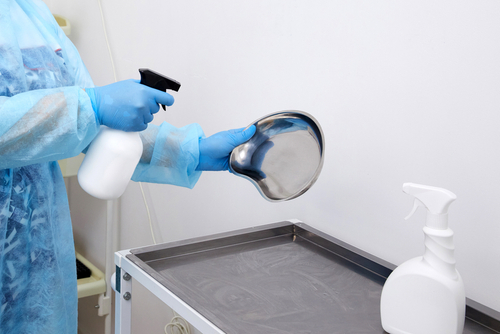
Start by removing visible debris like feces, hair, and food. Use detergent and water to scrub surfaces, rinse thoroughly, and dry.
Wet surfaces can be breeding grounds for bacteria and fungi.
Disinfection
After cleaning, apply an appropriate pet-safe disinfectant.
Allow for adequate contact time as recommended by the manufacturer. Rinse thoroughly after the specified time to remove any residue that may harm pets.
Frequency
High-touch areas and high-risk zones should be disinfected at least daily or more often in case of a known disease outbreak.
Regular cleaning can help in reducing the pathogen load in the environment.
Staff Training and Education
Training staff in proper disinfection procedures ensures consistency and effectiveness.
Regular workshops can help foster a culture of cleanliness and responsibility, essential for maintaining a disease-free facility.
Advanced Disinfection Techniques
Technological advancements have led to new disinfection techniques.
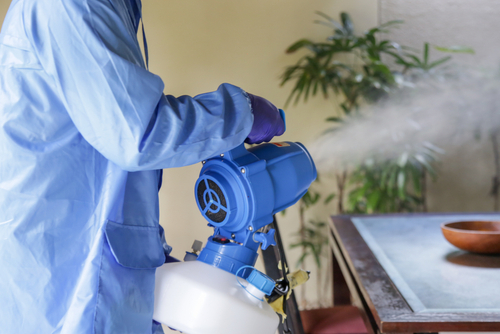
UV-C light sterilization and electrostatic disinfection are potent tools in the fight against pathogens. Integrating these technologies can significantly enhance facility hygiene.
Ensuring Safe Disposal of Waste
Proper waste disposal is as important as disinfection.
Following local regulations and environmental guidelines helps reduce the ecological impact while maintaining a clean and safe environment.
Monitoring and Evaluating Disinfection Efficacy
Routine assessments are crucial to validate cleaning procedures.
Pet care facilities can make data-driven improvements to their hygiene practices by tracking disease incidents and evaluating disinfection effectiveness.
FAQs – Frequently Asked Questions
This section’ll delve into some common questions and concerns related to disinfection in pet care facilities.
- What are the most common diseases found in pet care facilities?
As mentioned earlier, diseases like kennel cough, canine influenza, and feline panleukopenia are quite common. - Are there any pet-friendly, non-toxic disinfectants available?
Yes, several disinfectants in the market are pet-friendly and non-toxic. Always ensure to check the label before purchase. - What advanced disinfection technologies are suitable for large-scale facilities?
Technologies like UV-C light sterilization and electrostatic disinfection can be effective for large-scale facilities. - What should I do if there is a disease outbreak in my pet care facility?
If there’s an outbreak, increase the frequency of disinfection, isolate sick animals, and consult with a veterinarian immediately.
Disinfection In Pet Care Facilities: Ensuring Animal Health – Conclusion

Effective disinfection in pet care facilities is more than just cleanliness; it’s a cornerstone of animal health and well-being.
By diligently adhering to robust disinfection protocols, pet care facilities can provide an environment where pets thrive and public health is protected.
Is your pet care facility in need of a comprehensive disinfection solution? Contact our team of experts today for a tailored assessment and solution to ensure a clean, safe, and disease-free environment for your pets and staff. Ensuring animal health has never been more important!


