


How Can I Disinfect My Handphone?
September 2, 2022
Natural Products Used For Home Disinfectant
October 5, 2022How Often to Clean and Disinfect Home Appliances?

How Often to Clean and Disinfect Home Appliances? Home appliances are everyone’s indispensable friends, yet most of us don’t think about how often they need to be cleaned to keep them working well. You should clean and disinfect your home appliances once a month with a mild detergent like dish soap, using an old toothbrush or another cleaning tool that won’t scratch the appliance.
Wash the door seal and any removable parts of the appliance by hand in hot soapy water, rinse them well, and dry them off. Read on!
Microwave
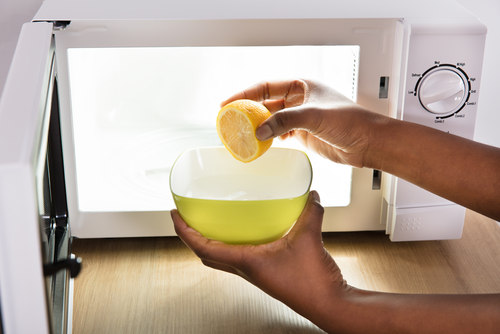
The interior of your microwave and refrigerator should thoroughly clean once a week. Use the hottest water setting on your dishwasher to wash these appliances, or clean them with hot soapy water, rinsing well and rubbing off any built-up food. Be sure to wipe down the door seals and clean them inside the microwave.
Refrigerator
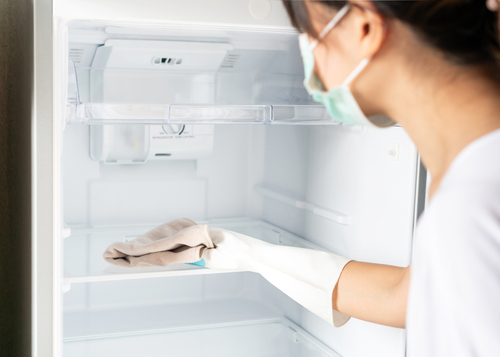
Also, clean the refrigerator every few weeks by removing everything and then cleaning it with hot soapy water, drying it well, and putting everything back in order. It’s important to sterilize the appliance with hot soapy water and an old toothbrush or similar cleaning tool.
You should also clean your refrigerator and other appliances at least once a month with a bleach solution, for disinfecting purposes. Check the manufacturer’s directions for amounts of bleach to use and follow them carefully. After cleaning, always rinse all parts of the appliance with warm soapy water first and then put them in their original positions before wiping them down again. The exterior of the appliance should be dusted with a soft cloth every week.
Outdoor Appliances
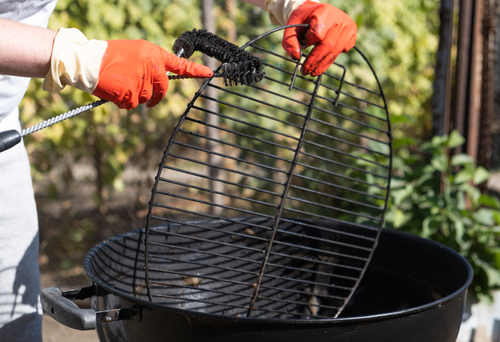
And don’t forget to clean and disinfect your outdoor appliances, like grills and outdoor fireplaces, once a month with a chlorine bleach solution or a natural household cleaner. Check the manufacturer’s directions for amounts of bleach to use. After cleaning, rinse all parts thoroughly with warm soapy water, wiping off any visible dirt or debris.
Here Is How to Clean and Disinfect Your Home Appliances:
Cleaning Kitchen Appliances
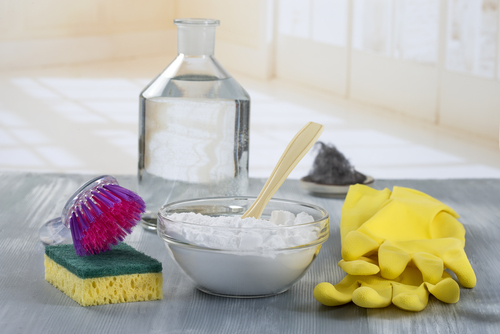
Cleaning your kitchen appliances with bleach can remove dirt and grime buildups that might affect the appliance’s performance. Mix 1/2 cup of bleach (1 teaspoon of unscented chlorine bleach) with 1 gallon of warm water, and then fill the container up to the 2-liter mark. You can also use a powered household cleaner such as Greenworks, or unscented chlorine bleach.
Be careful not to inhale the fumes or open windows if you are using a stovetop solution. Always wear rubber gloves to protect your hands and arms, and avoid contact with the eyes.
Clean the surfaces of the appliance that comes in direct contact with food; you may need to remove removable parts for cleaning. Scrub off any built-up food particles with a soft nonabrasive sponge. Rinse the surface well and wipe it dry using paper towels. Remember to clean the door seals as well.
Cleaning Oven
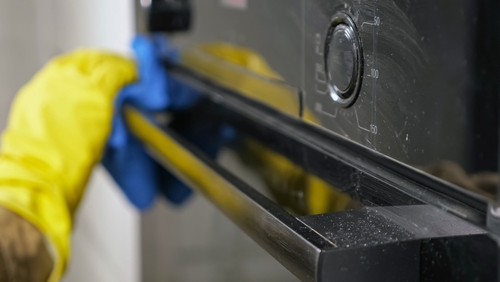
Mix up half a gallon of warm water with 1/2 cup of bleach, and put on your oven mitts. If you are cleaning an oven, place your hand on the knob first to see if it’s hot, and then open the door.
Make sure to wear rubber gloves. Clean all removable parts in the oven or grill that come in contact with food using hot soapy water and an old toothbrush or similar cleaning tool. Rinse well with clean water, wiping off any visible dirt or debris. Wipe down any parts that are not removable by hand.
You can remove stuck food by preheating the oven to its highest setting at 500 degrees F, and then turning it off immediately. Put the appliance parts in an oven-safe container and put them inside the preheated oven for a few minutes.
Cleaning Refrigerator
Clean the coils of your refrigerator with baking soda (1 cup) and white vinegar (1 cup), filling up a spray bottle with 1/4 cup of water. Fill up your sink with warm water, and then put on some rubber gloves to protect your hands from hot water spills. Spray the solution onto the coils and let it sit for a few minutes. Then, scrub off any dirt or debris using a soft nonabrasive sponge. Rinse well with warm water and dry using paper towels.
Do not use ammonia-based household cleaners, which contain strong odors that could affect your food. Wipe down all surfaces of the refrigerator by hand with warm soapy water and an old toothbrush or similar cleaning tool to remove any dirt from door seals, shelves, walls, and drawers. Be sure to wipe off the inside of your refrigerator as well.
After cleaning, rinse thoroughly with clean water by hand or let it drip dry before putting everything back in order again.
It’s important to remove food from your refrigerator before you begin every cleaning session. Put the refrigerator on its warmest setting for a few hours, to give you time to remove the food and clean.
Hard Water Stains
If you have hard water, then you might need to clean your other appliances more frequently than once a month because water deposits can build up more easily. Hard water is when there is an excess of minerals like calcium and magnesium in the water; these minerals leave hard-scale deposits behind on surfaces they come in contact with that can be difficult to remove unless they are cleaned regularly.
How Often to Clean and Disinfect Home Appliances? – Conclusion
It’s important to keep your appliances in good working order for food safety and energy efficiency reasons. So cleaning and disinfecting them regularly can help you avoid potential health hazards, such as food poisoning.
It is good to clean your home appliances and appliances that come in direct contact with food as recommended by the manufacturers, to keep them in good working order. Always wear protective gloves when cleaning and disinfecting your appliances, and always read the instructions provided by the makers of your appliances carefully before cleaning them.
As you can see, keeping your home appliances clean and disinfected is a fairly simple process. By doing it regularly, you will be prolonging the life of your appliances and also reducing the number of germs and bacteria in your home.


